Podcast Production.
Three-camera podcast shoots with clean audio, studio lighting and short-form clips built in from day one. We plan the shoot around your episode structure — cold open, chapters, punch-in reactions — and deliver a full master plus 8–12 vertical clips per episode.
A podcast that only ships as an MP3 in 2026 is leaving audience growth on the table. The video-first podcast — three cameras, studio lighting, tight audio, and eight to twelve vertical clips built from the same shoot — is what pulls new listeners in from TikTok, YouTube Shorts and Instagram Reels while the long-form episode does the retention work. TimeSake Media builds those production days for founder-led podcasts, brand podcasts and interview shows across Cape Town and Johannesburg.
Every shoot is planned around the episode structure — cold open, three chapters, punch-in reactions, sign-off — before the guest arrives. Three Sony A7 IV bodies cover the host wide, the guest tight, and a two-shot for reaction beats. Audio runs through a Zoom F6 recorder with DJI wireless mics and XLR backup so nothing on the audio side can go wrong through the shoot. Post-production ships the full episode plus the clip pack inside seven business days.
Studio setup on your terms
We work either in your own space or in a partner studio in Cape Town or Johannesburg. A boardroom or a home studio becomes a shoot-ready podcast set with three cameras on tripods, LED key lights with softboxes, a subtle rim on host and guest to lift them off the background, and a portable acoustic treatment package to kill the room reflection. Setup takes 90 minutes; strike takes 45. Where the recurring show wants a permanent set, we design the room in a pre-production visit and hand over a repeatable lighting diagram so the host can shoot solo episodes without us in between our production days.
Audio quality is non-negotiable
The single biggest reason a video podcast fails to grow an audience is bad audio. Every session runs through a Zoom F6 field recorder capturing four channels — host lav, guest lav, host shotgun, guest shotgun — with 32-bit float so we cannot clip even if the guest laughs into the microphone. We keep an air conditioner check in the pre-shoot walk-through because a rattly split unit at Sandton or Constantia can ruin a two-hour recording. Post-production runs a full editorial audio pass — silence trim, room-tone match, EQ, light noise reduction, mastering — before the episode leaves the timeline.
Short-form clip strategy
Eight to twelve vertical clips per episode is a working baseline. Every clip runs 30 to 90 seconds, opens on the strongest sentence in the exchange, and cuts on the beat rather than on the breath. Captions are baked in on-brand so the clip reads with the sound off — the majority of the audience will find the clip on autoplay silent scroll. Clips ship inside 72 hours of the shoot so the release cycle starts building interest before the full episode drops on day seven. Where the podcast runs a paid TikTok strategy, we can cut a second wave of clips optimised for the platform's algorithm two weeks after the episode publishes.
Cold open and chapter architecture
The cold open is where the audience decides whether to keep watching. We help the host write a 30-second cold open that lands the sharpest moment from the episode against a title card, before the intro sting plays. Chapter markers get set at editorial peaks so a YouTube viewer can jump to the section that matters to them. Punch-in reactions — a quick cut to a laugh or a raised eyebrow at the tight camera — happen on the timeline where the moment earns it, never as an artificial insert. Sign-offs are recorded live at the end of each session so the outro feels like the actual conversation continuing, not a canned voiceover.
Episode delivery and cross-platform publish
Every episode ships as a 4K video master for YouTube, an isolated stereo audio master for Spotify and Apple Podcasts, a WAV bundle of the isolated stems for archive, the vertical clip pack for socials, an episode cover still and a guest headshot from the shoot day. Where the client wants us to publish for them, we handle Spotify, Apple Podcasts, Google Podcasts and YouTube uploads via Buzzsprout or Transistor and set the show notes from a template. RSS integration and analytics review can be added as a monthly retainer.
Recent frames from this service area
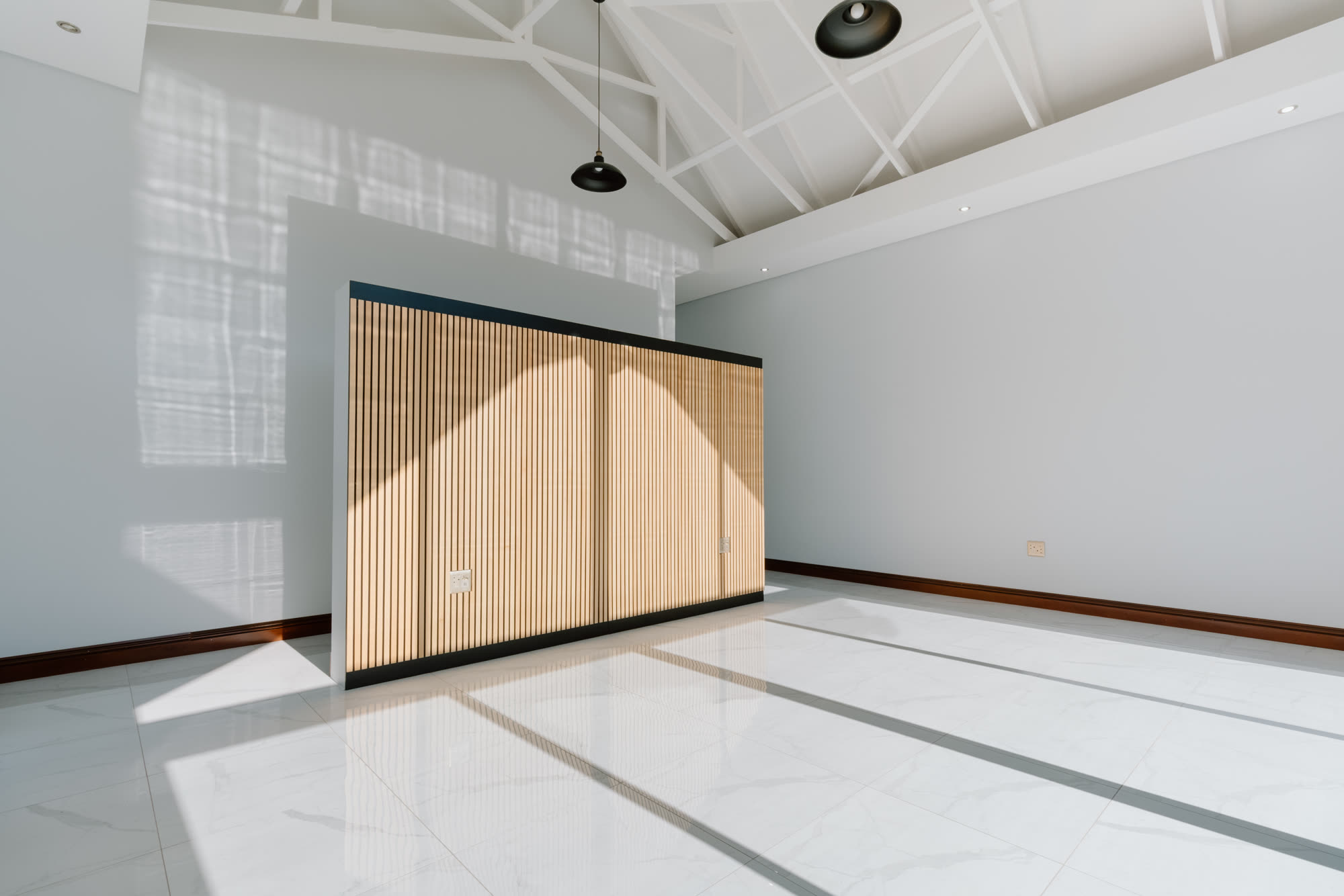
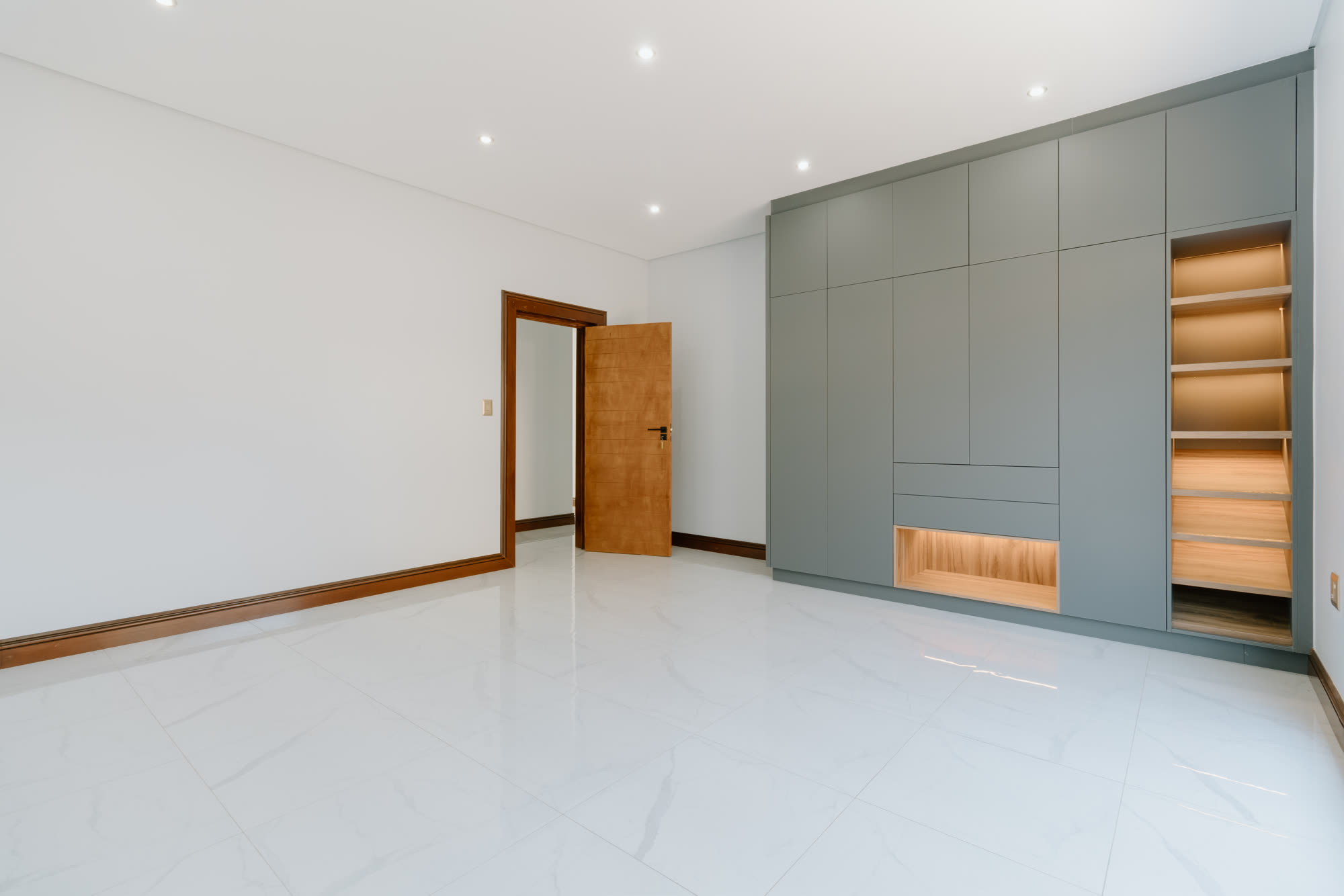
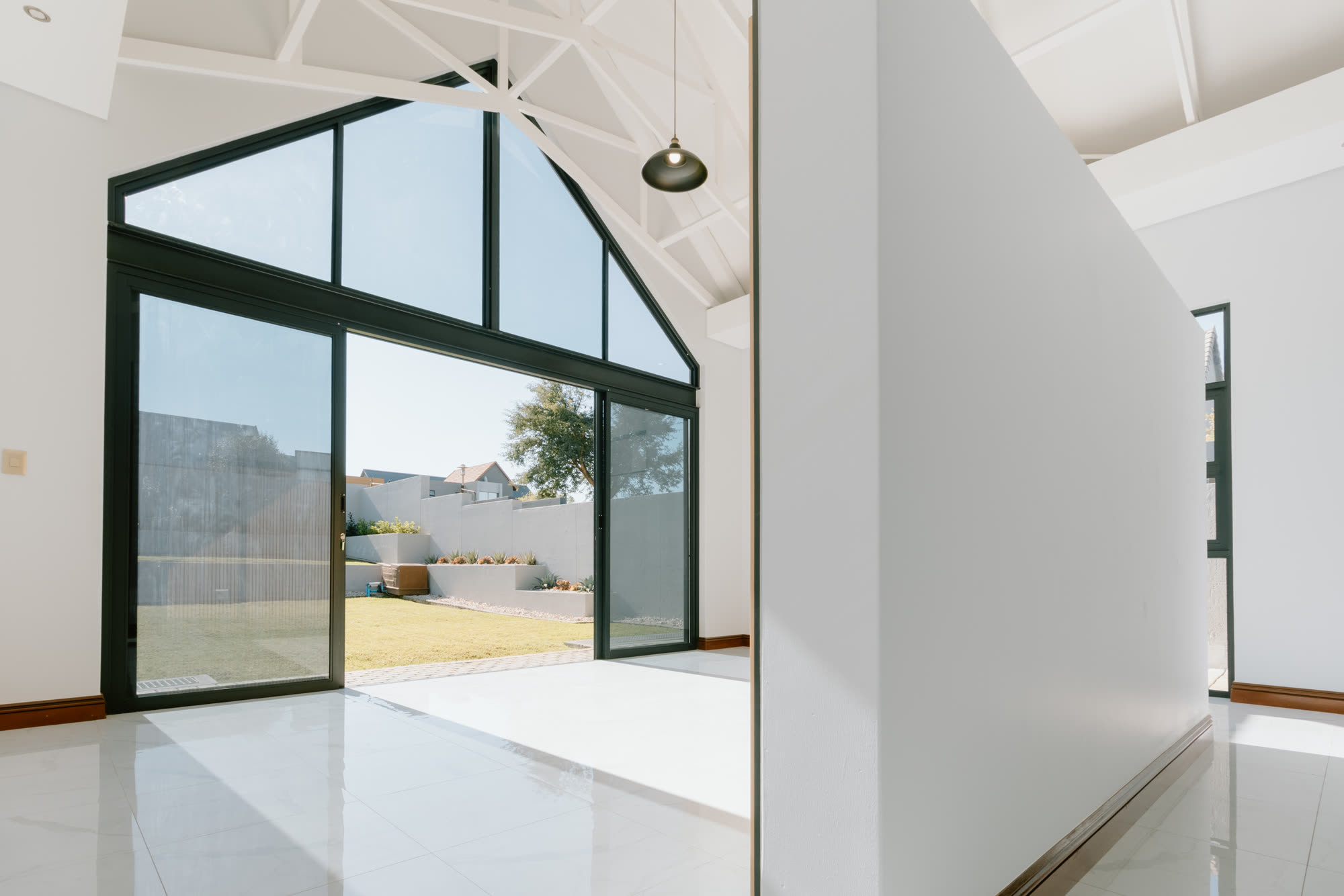
A full written case study for this service publishes next quarter. These are recent frames from the same kit and workflow — browse the whole archive in the portfolio.
Podcast Production — questions clients ask first
Both work. We can build a portable studio in your boardroom or shoot in a Cape Town or Johannesburg podcast studio partner space.